September 22, 2026|י"א תשרי ה' אלפים תשפ"ז What Will You Do With Another Year?
Print Article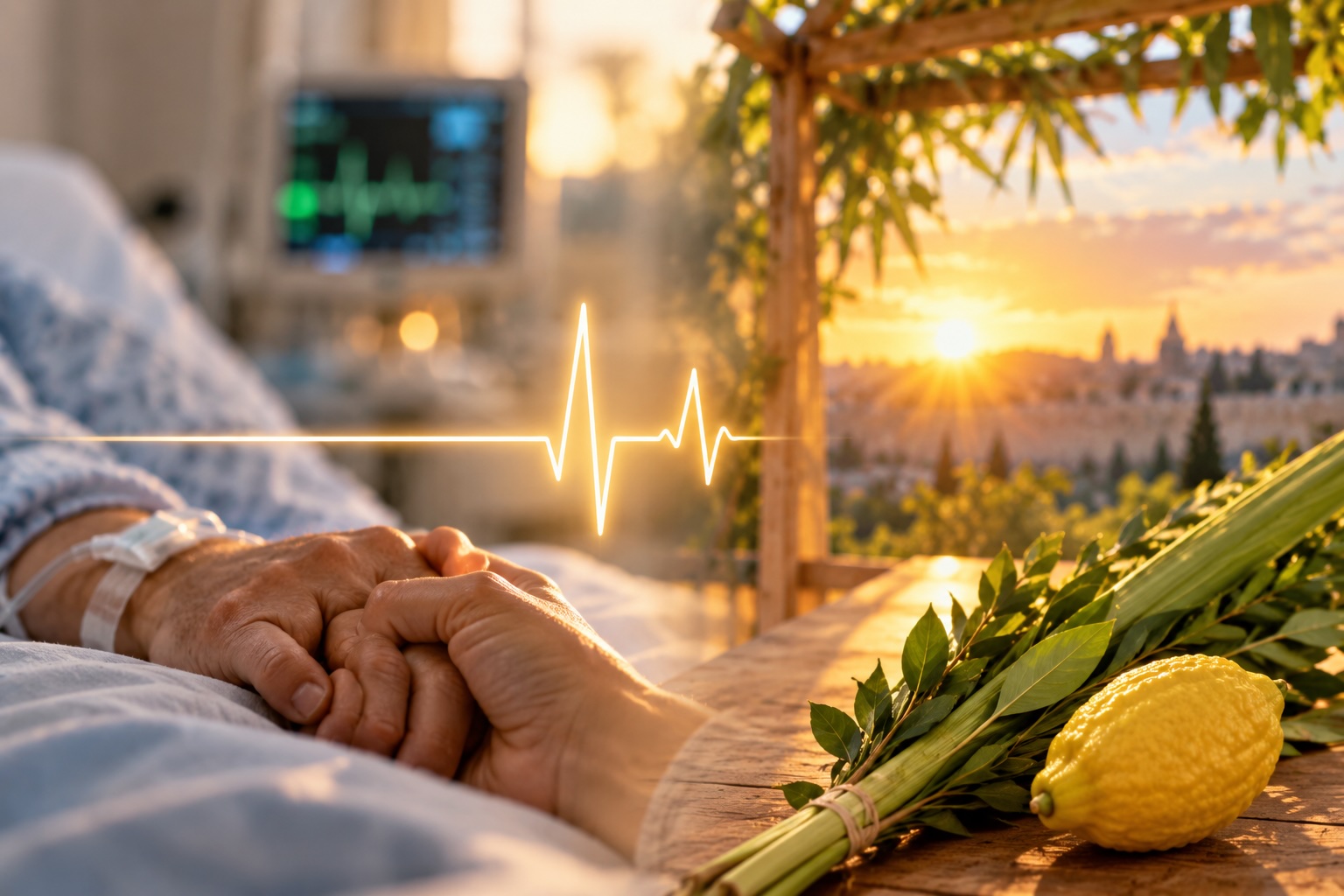
Imagine for a moment that your heart stops beating. There is no pulse, no breath, and suddenly you are no longer in control of what happens next. A woman in our community experienced exactly that when, while out at a birthday dinner, she suddenly collapsed and her heart completely stopped. The restaurant called an ambulance and, miraculously, while they were waiting for help, her heart started beating again, but when she arrived at the hospital, she flatlined and literally died. Her husband stood there terrified and helpless, with nothing he could do medically, so he began to daven with an intensity he had never felt before. He had said the words countless times, but never like this, never with his wife’s life hanging in the balance, as he begged Hashem to be מְחַיֵּה מֵתִים, to bring the dead back to life. Baruch Hashem, after what must have felt like an eternity, her heart began to beat again.
Today, she is alive and well, with a pacemaker and a completely different perspective on life, thinking often about how easily the story could have ended differently. It could have happened while she was driving, she could have been alone, or she could have been somewhere without immediate help, but instead Hashem gave her another chance. People who go through something like that often divide their lives into two periods: everything that came before the experience and everything that came after, because they don’t, they can’t, simply recover from something like that. In some sense they are reborn. Perhaps that is exactly how we are supposed to feel on Sukkos.
The Torah tells us, וּלְקַחְתֶּם לָכֶם בַּיּוֹם הָרִאשׁוֹן פְּרִי עֵץ הָדָר כַּפֹּת תְּמָרִים וַעֲנַף עֵץ עָבֹת וְעַרְבֵי נָחַל וּשְׂמַחְתֶּם לִפְנֵי ה' אֱלֹקיכֶם שִׁבְעַת יָמִים. We don’t simply pick up a lulav and esrog, we shake them and move them in every direction. The Rambam describes bringing the arba minim forward and back, up and down, again and again, and there is a noticeable energy and movement to this mitzvah that begs the question of what exactly we are expressing and why we express it specifically now.
The Rosh, Avudraham, and Beis Yosef point us to a Midrash Tanchuma that explains that on Rosh Hashanah we stand in judgment and don’t yet know the outcome, but when Sukkos arrives, we emerge holding our lulavim like someone walking out of a courtroom having received a favorable verdict. According to this image, the lulav is a symbol of victory, and there is certainly something powerful and compelling about that idea, particularly after the intensity of the Yamim Noraim. And yet, there is also something about it that has always bothered me. Is that really how we should emerge from our days of literal awe, Rosh Hashanah and Yom Kippur, triumphantly celebrating that we won and publicly displaying the favorable judgment we received?
There is another Midrash that offers a very different image, one that I find incredibly moving. Tehillim says, וְעַם נִבְרָא יְהַלֶּל יָהּ, “A nation that has been created will praise Hashem,” and Vayikra Rabbah explains, אֵלּוּ דּוֹרוֹת הַלָּלוּ שֶׁהֵם נְטוּיִין לְמִיתָה, וְעַם נִבְרָא יְהַלֶּל יָהּ, שֶׁהַקָּדוֹשׁ בָּרוּךְ הוּא עָתִיד לִבְראוֹת אוֹתָן בְּרִיָּה חֲדָשָׁה, וּמֶה עָלֵינוּ לַעֲשׂוֹת, לִקַּח לוּלָב וְאֶתְרוֹג וּנְקַלֵּס לְהַקָּדוֹשׁ בָּרוּךְ הוּא. These are people who were destined for death and Hashem creates them anew, and what are they supposed to do after receiving this new life? They take a lulav and esrog and praise Hashem.
According to this Midrash, the lulav isn’t a victory flag at all, it is what you hold when you realize you have just been given your life back. Think about what we have just experienced on Yom Kippur, which in so many ways is a dress rehearsal for death. Men wear a kittel, the garment in which they will one day be buried. We say vidui just as a person does at the end of life. We don’t eat or drink, and we remove ourselves from physical pleasure and comfort. For one day, we try to transcend our bodies and live almost entirely as souls, not because Judaism is obsessed with dying, but precisely because it is obsessed with living, and sometimes we need to confront death in order to appreciate life.
Then Yom Kippur ends, and we eat again, drink again, build a sukkah, pick up the daled minim, sing, dance and celebrate because our heartbeat has come back. Sukkos is the celebration of another chance, another year, and another opportunity to get it right. The joy of Sukkos isn’t only that we were inscribed for life, it is the realization that life itself has been handed back to us.
There is even a remarkable Halachic expression of this idea. The Gemara in Berachos says that if you haven’t seen a friend for thirty days, under the appropriate circumstances you recite Shehechiyanu, but if you haven’t seen someone for twelve months, you recite בָּרוּךְ מְחַיֵּה הַמֵּתִים, Blessed is the One Who revives the dead. At first glance, that sounds a little dramatic, because while it is certainly wonderful to see someone you haven’t seen in a year, why should that reunion invoke the resurrection of the dead?
The Maharsha gives an extraordinary explanation. If twelve months have passed, then since the last time you saw this person, he has gone through another Rosh Hashanah and another Yom Kippur, stood in judgment again and passed through another מי יחיה ומי ימות. When you see him now, you aren’t simply seeing an old friend whom you haven’t seen in a while, you are looking at someone who has been given life again, and that is why מְחַיֵּה הַמֵּתִים is precisely the appropriate beracha. Perhaps that is how we are supposed to look at one another after Yom Kippur, and perhaps that is also how we should look at ourselves.
On October 7, IDF soldier Itai Sagi was fighting with his elite Maglan unit near the Gaza border when his unit came under attack, with gunfire coming from every direction and grenades exploding around them. Six of his friends were critically wounded almost immediately, and Itai understood that he had to keep fighting, if only to buy time for the others, until a grenade exploded near him and suddenly he was on the ground. He later described feeling as though his soul had left his body and he could see himself lying there, while for a few moments he experienced a strange sense of peace. Then he began seeing flashes of a future he had not yet lived, the home he hoped to build, his family, his niece’s face, and a whole life that might never happen, and something inside him began screaming that he had to breathe and fight his way back.
His friends managed to pull him to safety, he underwent lifesaving surgery, and he survived, but survival changed him because it wasn’t simply that he had escaped death. He understood that he had been given more life, and when you understand that your life has been given back to you, the obvious question becomes what you are going to do with it. This may be the real question of Sukkos.
The Torah calls the first day of Sukkos בַּיּוֹם הָרִאשׁוֹן, “the first day,” and perhaps after the experience of Yom Kippur it really is the first day, the first day of the rest of our lives. Hashem tells us, וּלְקַחְתֶּם לָכֶם, take for yourselves, take hold of this year, take hold of the people you love, take hold of your relationship with Hashem, and take hold of the things you keep promising yourself you will get to one day. There are phone calls we need to make, relationships we need to repair, learning we need to begin, changes in our davening we have been postponing, and people we love who need to hear what they mean to us. We reflected on, and davened about, these things for ten meaningful days, and now we have been given life, and the challenge is not simply to remain alive but to truly live.
Then we go sit in a sukkah, a flimsy and temporary structure with a roof that reminds us how little in this world is actually permanent. Our homes aren’t permanent, our possessions aren’t permanent, our bodies aren’t permanent and we aren’t permanent, and right there, surrounded by fragility and impermanence, the Torah tells us to be happy. Perhaps it isn’t despite that fragility that we are happy, but because recognizing how fragile life is allows us to finally appreciate how precious it is.
We sometimes think that being “inscribed for life” means we successfully avoided death, but perhaps it means much more than that. We have been entrusted with life. Hashem has handed us another year and asked what we are going to do with it. There are relationships to repair, apologies to offer, grudges to release, Torah to learn, tefillos to say with more focus, children and grandchildren to enjoy, people who need our help, dreams we keep postponing, and ordinary moments we keep rushing through while waiting for something more important to happen. The truth is that these are the important things, and this life, this day and this breath are the gifts we so often fail to notice.
The woman whose heart stopped knows that, Itai knows that, and anyone who has stood at the boundary between life and death knows it in a way the rest of us can only imagine. Sukkos challenges us not to wait until we almost lose our lives to appreciate that we have them. We pick up the lulav and wave it with everything we have, not as a victory flag announcing that we won, but as an expression of overwhelming gratitude to the One Who has given us our lives back. Thank You for another heartbeat, another breath, another Yom Tov, another year, another opportunity to love the people around us, another chance to become who we are capable of becoming.